
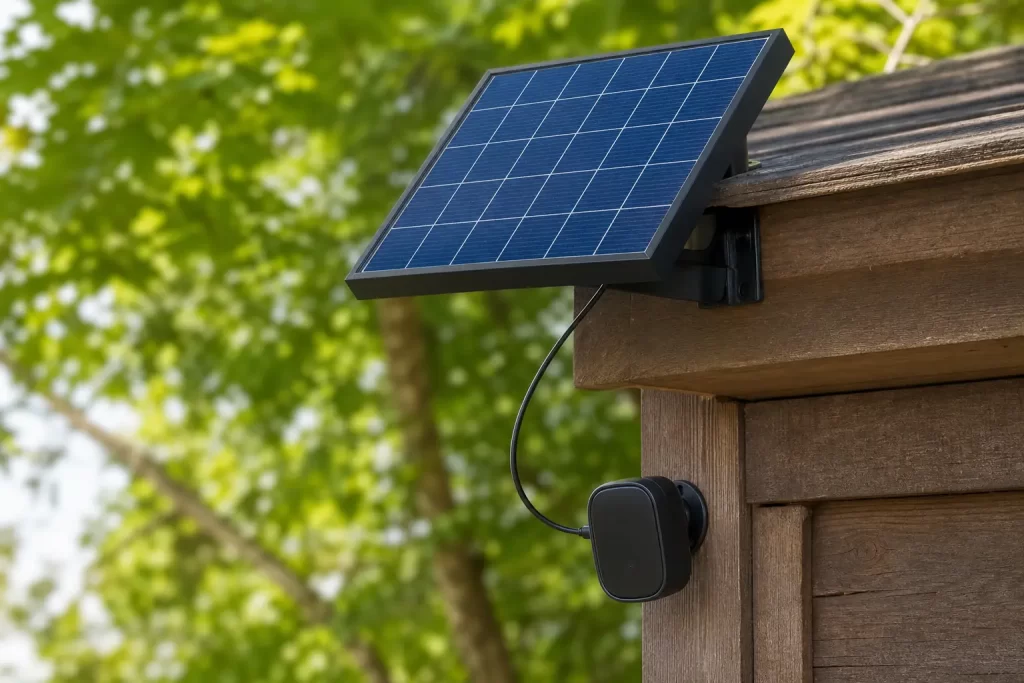
5V 10W Solar Panel: What It Powers, How Compatibility Works and What to Check
A 5V 10W solar panel provides portable, low-voltage power suitable for small USB- or DC-powered electronics by supplying up to 10 watts at a nominal 5 volts; pair it with device charging circuitry or a power-management module to smooth variable sunlight and protect sensitive electronics.
Photovoltaic cells are semiconductor devices that convert light into direct current (DC) electricity, and a 5V 10W panel taps those cells to deliver a nominal 5-volt output and a 10-watt peak in strong sun. Typical devices that accept a 5V input include USB-powered phones and accessories, small Internet of Things (IoT) modules, and trail or security cameras that offer a 5V supply option. Many installers either use a panel with a stabilized USB output or add a small charge controller or battery buffer to provide regulated current, prevent brownouts and allow operation through dusk, dawn or intermittent cloud. Choose a panel with the connector your device expects-USB-C, Micro-USB or a DC barrel plug-so cabling and polarity match without on-site modification.
Compatibility depends on voltage match, connector type and the device’s power-management expectations, and you can check those three items quickly before attempting a direct connection:
- Voltage: Confirm the target device accepts a steady 5V DC input and can tolerate variable panel output or else add a regulator or charge controller.
- Connector and polarity: Verify connector style (USB-C, Micro-USB or DC barrel) and the plug’s pinout and polarity so no wiring changes are required.
- Power management: Decide whether the device needs a battery buffer or charge controller for continuous operation or if it can run directly from fluctuating sunlight.
Environmental and installation factors alter real-world delivery more than the rated wattage; shade, soiling, panel angle and ambient temperature all reduce output relative to peak rating. Compact Solar offers panels with USB-C, Micro-USB and DC outputs and models that include built-in batteries or small charge controllers to simplify matching a panel to a device’s charging circuit. When planning an installation, prioritize unshaded midday exposure and secure mounting-pole clamps, enclosure brackets or small tilt mounts-to maximize daily energy capture.
Typical use cases for a 5V 10W panel include low-power security and trail cameras, outdoor routers or range extenders, and remote sensors where a compact footprint and simple installation matter. Installers often pair the panel with a battery or a Compact Solar kit to reduce downtime and provide continuous operation through night or overcast periods. Compact Solar supplies integrated panels and kits across a 2W-70W range, offers private-label/own-logo options and custom packaging, and can provide samples and volume supply to validate fit and performance before approving larger runs. For mounting, keep the panel surface clean, orient it toward midday sun and avoid partial shade from foliage or nearby structures to get the best practical output from a small 5V 10W unit.
Frequently asked questions
The Frequently asked questions section answers common questions about 5V 10W panels, compatibility and sample ordering.
Q: Will a 5V 10W panel charge my phone?
A: A 5V 10W panel can charge phones that accept a 5V USB input, but charging speed depends on the phone’s charging protocol and the available sunlight; use a panel with a USB output or add a battery buffer if the phone requires steady current for reliable charging.
Q: Can I connect a 5V camera directly to the panel?
A: You can connect cameras that explicitly accept 5V DC provided connector polarity and pinout match; for cameras that need continuous power or regulated current, place a charge controller or battery between the panel and the camera to prevent interruptions.
Q: What should I check before ordering samples?
A: Verify the device’s accepted input voltage and connector type, check environmental mounting constraints (shade, angle, soiling) and confirm whether you need a built-in battery or charge controller; request Compact Solar samples to test fit, cabling and real-world energy delivery before approving larger orders.
Contact Compact Solar about your camera, wholesale order or own-brand project.