
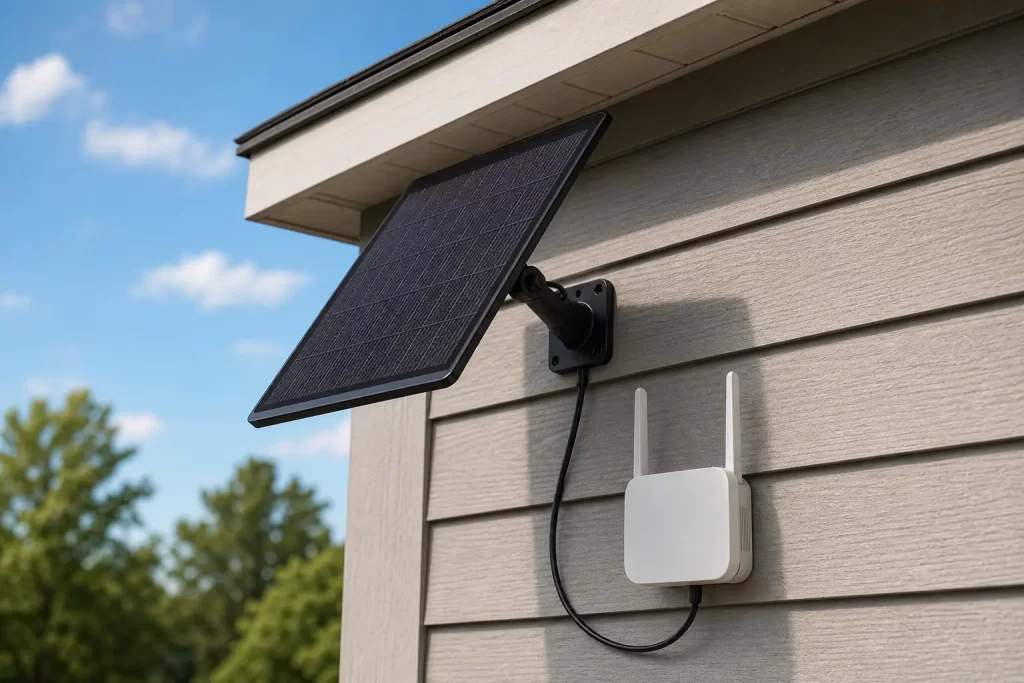
DC solar panels for routers and range extenders provide continuous low-voltage DC power so network gear can run off sunlight with minimal grid dependence; before choosing a setup check that the panel, regulator and any battery match the device’s DC input, that connectors and polarity are compatible, and that installation limits like shading and mounting are addressed.
What electrical compatibility should I check?
Electrical compatibility requires that panel output, regulator and the router or range extender input are matched. Check the device’s DC input range and plug type first. Confirm the solar panel can be controlled by an appropriate charge controller or DC regulator; a charge controller is an electronic device that manages charging and prevents overcharge. Verify polarity and connector fit so the positive and negative leads line up with the device’s jack. Consider whether a DC-to-DC converter is needed to step voltage to the exact input the router expects. Plan for voltage drop in long cable runs by using thicker cable or shorter runs to keep supply voltage within the device’s acceptable range. Finally, confirm how the system handles start-up loads: some routers draw a higher current briefly at boot, and the regulator or battery must support that transient.
How should I size and include battery or power buffering?
Battery or power buffering decisions require adding storage when uninterrupted operation through night or low-sun periods matters. Decide if a buffer is needed based on how long the router must run without solar input and how sensitive the network is to outages. Choose a rechargeable battery chemistry suited to the installation environment and the expected charge/discharge cycles, and use a compatible charge controller to manage charging and battery health. If the panel is intended to feed devices directly during daylight only, include a diode or controller to prevent reverse discharge into the panel at night. Account for temperature effects on batteries: extreme cold or heat reduces usable capacity. Compact Solar supports sample units and small-volume testing, and offers private-label and OEM options when a brand requires custom packaging or its own logo for larger runs.
What mechanical and installation factors matter?
Mechanical and installation factors include mounting, weatherproofing and shading considerations. Choose a mounting location with clear sun exposure for the longest daily production window and avoid nearby objects that cast intermittent shade; even partial shading can sharply reduce output. Confirm the panel and any enclosure have an appropriate ingress protection level for the installation site and mount strength adequate for wind and snow loads in the intended area. Plan secure cable routing and strain relief so connectors do not loosen over time, and use theft- or tamper-resistant mounting if the site is public. Consider the physical footprint and weight so the mounting surface-pole, wall or roof-can support the assembly, and allow access for maintenance and inspection without disturbing the router’s network connections.
Frequently asked questions
Can I power any router with a DC solar panel?
Most routers can be powered from DC if the panel system provides the correct voltage, polarity and adequate current via a regulator or DC converter; verify the router’s input requirements before committing.
Do I always need a battery with a DC solar setup?
A battery is required when you need operation through night or cloudy periods; if operation during daylight only is acceptable, a regulated direct-feed arrangement can work but will not provide runtime after sun sets.
What connector and polarity practices should I follow?
Use the router manufacturer’s recommended connector or a matching adapter, mark polarity clearly, and protect connectors from moisture; miswired polarity can damage equipment and void warranties.
Contact Compact Solar about your camera, wholesale order or own-brand project.